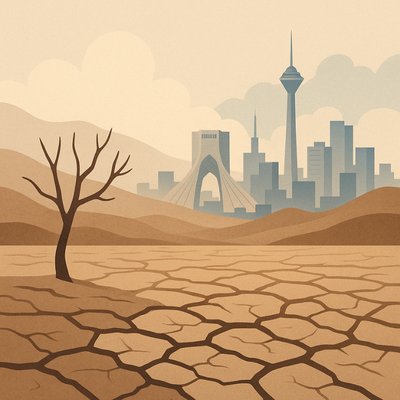
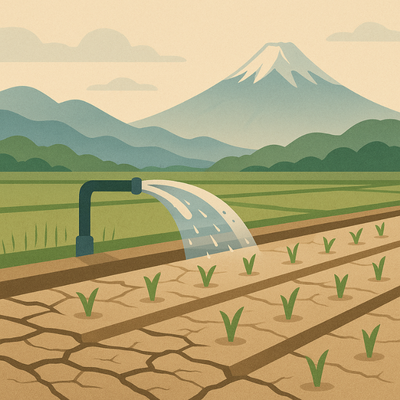
🌾 Japan’s rice yields are falling due to hot, dry conditions in recent years
💹 Rice prices have doubled, outpacing overall food inflation significantly
💧 Water shortages and drought stress irrigation systems crucial for paddy cultivation
🚜 Planted rice area rose in 2025 but remains vulnerable to yield decline
🏛️ Government released reserves and opened import quotas to temper prices
Climate‑linked Crop Failures Trigger the Crisis
A record heatwave in summer 2023 drastically reduced rice harvest quality and volume, creating a tight supply situation into 2024 and 2025. Panic buying during a mega‑quake warning in August 2024 further depleted shelves prematurely and exposed vulnerabilities in the system. Increased tourism pressure also amplified demand beyond typical domestic levels. Society now grapples with repeated price spikes driven by climate‑linked shock and social behavior. ClimateAi+14Reuters+14TIME+14ClimateAikvpr.org+1Financial Times+1Financial TimesAP News
Japan experiences frequent seasonal droughts combined with hot summers and declining snowpack—key water inputs for paddy irrigation. Though the country is not chronically water‑scarce, monsoon variability and climate change intensify stress on agriculture. Additionally, most rice is grown on small family plots by an aging farmer base, with limited capital for modern irrigation technologies. WikipediaWikipediaWikipedia
Since early 2024, retail rice prices have doubled—60‑kg bags reached record ¥26,400 or about US $184—exerting outsized pressure on food inflation. Japan’s core inflation rate in January 2025 hit 4.0%, with rice inflation alone rising over 70% year‑on‑year in metro Tokyo. Households face rationing measures and supermarkets cap sales per customer. The Japan Times+8Financial Times+8Business Insider+8
Government Response and Policy Tensions
To mitigate shortages, Tokyo released 210,000 t of strategic rice reserves in early 2025 and an additional 300,000 t by mid‑2025, yet distribution delays and perceived hoarding elicited public outrage. Agriculture Minister Taku Eto resigned mid‑crisis and was succeeded by Shinjiro Koizumi, who prioritized consumer relief through accelerated imports and policy reform. Import quotas under WTO “minimum access” now allow up to 770,000 t tariff‑free rice annually, with U.S. imports rising sharply. TIME+2The Times+2AP News+2
Despite periodic overproduction of rice, Japan’s long‑standing quota and subsidy regime discourages flexibility in supply response. The Gentan acreage‑reduction policy (terminated in 2018) once capped rice output, and high tariffs restrict imports outside regulated quotas. Futures markets remain weakly integrated and mostly speculative, limiting stabilization effects. As a result, price shocks persist even when aggregate production exceeds demand. Reuters+8East Asia Forum+8Wikipedia+8
Political Fallout and Medium‑Term Risks
The rice price crisis became a major political issue during Japan’s July 2025 upper‑house elections. Koizumi’s reformist, consumer‑oriented stance directly challenged the traditional LDP reliance on rural farming constituencies. Polls suggested possible loss of ruling coalition majority if rice inflation remained unaddressed. Long term, demographic decline among small-scale rice farmers, combined with climate risks and rigid policy regimes, threaten Japan’s food security stability.